


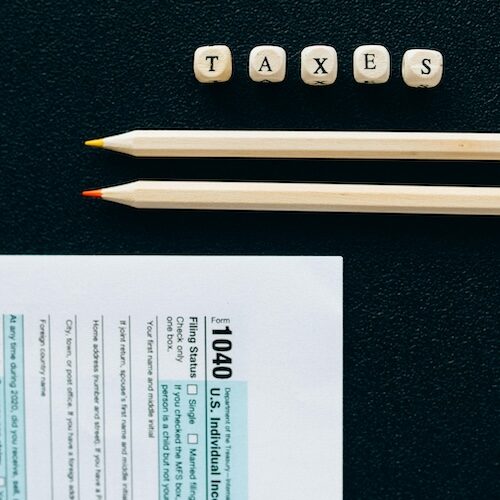
“Nothing is certain except death and taxes.”–Benjamin Franklin Tax season is upon us! For some, this is an exciting time of year. How will I spend that big tax refund? While some of us simply dread it. We put it off until the very last second. How much do I owe the IRS this year?
Avoidance is a coping mechanism often used during times of stress, discomfort and fear. It may look like: suppressing emotions, isolating yourself, procrastinating, making excuses or distracting yourself. Coping mechanisms can also act like protective strategies to shield us from pain or rejection. Some common ones include:
- denial and minimization: the problem doesn’t exist or it’s not important
- rationalization: plausible explanations for one’s behavior
- projection and displacement: transferring the source of pain to anything other than oneself
- internalization: blame oneself as being unable to change
And then there are some subtle responses, such as:
- waiting for the magic moment: just the right time or sometime in the future
- wishful thinking: a desire to continue behaviors with different outcomes
- analysis paralysis: searching for absolute certainty in regards to causes of problem behaviors; searching for the perfect solution that hinders any improvements
We tend to fear what we don’t know. The future is unfamiliar, unpredictable and uncomfortable. Avoidance is the illusion of control. Our brains have been wired for stability and change disrupts that. Our brains also desire certainty. Predictability reduces uncertainty. It feels safe, even if it’s painful. What if fear is a signal that something meaningful is at stake? Change threatens routines, identity and comfortability.
The basal ganglia is the brain region essential to habit formation and routine behaviors. Repeated behaviors create neural pathways which permit automatic processing. Therefore, familiar actions engage the basal ganglia. So rituals and routines are neurologically efficient. The prefrontal cortex handles conscious decision-making and behavioral flexibility. It requires more metabolic energy. When changes are implemented, the prefrontal cortex has to override default patterns. It can feel cognitively demanding. The amygdala monitors threat signals. So changes pose a potential risk because they are unfamiliar. The brain equates uncertainty with danger, even if the change is warranted.
In addition to brain chemistry and structure, there are also mental shortcuts often referred to as cognitive biases. They are designed to simplify decision-making and shape how we respond to change, however they often backfire.
- Status quo bias prefers the current state of things, even if change would be better
- Loss aversion fears potential losses more than potential gains
- Confirmation bias focuses on information that supports existing beliefs
This internal push-pull is a conflict between the prefrontal cortex and the basal ganglia. The prefrontal cortex desires growth, while the basal ganglia desires safety and routine.
If you would like to do a deeper dive, consider Signing Up for X3pure: Rewired – Understand the neuroscience behind why change feels hard and what it actually takes to rewire your brain for lasting transformation.
While avoidance may provide temporary relief and short term comfort, what does it actually cost you? Long term growth, healthy relationships, quality of life, happiness and freedom to name a few. It can cost you a fuller, more meaningful life. Avoidance of change creates long term challenges, exacerbates current issues and causes additional stress. The things you fear losing could be the very things that hold you back.
- Familiarity supersedes your current mental/emotional state
- Comfortability overrides a potential new and improved self
- The perceived pleasure/reward outweighs long term growth
Neuroplasticity is the brain’s remarkable ability to form new neural connections. Here are a few key ways to introduce change in ways that feel manageable vs threatening:
- Micro-changes: leave your cell phone in a different room while you use the restroom or take a lunch break
- Pair with rewards: Tiny rewards, such as acknowledging a win in recovery, release dopamine which encourages habit formation
- Visualize the behavior: Research suggests that mental rehearsal of healthy behaviors activates several of the same brain areas as actual practice of the behaviors
- Context-based cues: Tie new behaviors to existing habits, such as calling your accountability partner during your morning commute
- Consistency: Repetition creates new pathways. New behaviors are easier to sustain the more you perform them.
Avoidance is a common theme in recovery. The threat against familiarity, predictability and comfortability can prevent us from making steps toward change. You can choose to pay the tax of doing the hard work of recovery today or you can choose to pay the tax of being stagnant. Either way, you will pay the taxes!
References:
McElwaine, Patrick Psy.D. (April 22, 2025). Why We Fear Change, and Why It Might Be Exactly What We Need Psychology Today
(July 30, 2025). Why the Brain Resists Change And How to Rewire It Step By Step CogniFit