


“Patience is a virtue”. Something we’ve all heard, and if we’re being honest most of us are probably annoyed by. What I have come to find in my life though, is that I struggle with patience the most, when I don’t know how a situation is actually going to end up. Sound familiar? I’ll explain.
I’m someone who likes to have control of situations and likes to make things happen on my timeline. I’m very type A some might say. When I feel out of control or when I’m being asked to wait for something, I get so frustrated because my brain assumes that something isn’t going to get handled, or that some variation of worst case scenario is going to happen. Either way it’s going to be uncomfortable!
Let’s apply this to addiction recovery; as soon as someone comes to see me, I give them what I call “a therapy forewarning”. I tell me clients that things are going to feel worse before they get better. I quickly pair that with the reminder that this doesn’t mean they are doing anything wrong, it just means that if we are going to do the deep work of healing past wounds and clean them out, then of course there’s going to be some pain before it’s going to heal!
People who tend to struggle the most in therapy are the ones looking for a quick fix. Think about that. Did you get to where you are quickly? How did this all start? How did it progress to where it is now? If it was a slippery slope to get to this point, it’s likely to be an even more slower path to recovery. Each choice no matter how small is pivotal in deciding the direction of your life.
This poses a particular dilemma for those struggling with addiction. Addictive behaviors derive from the idea of eliminating pain and discomfort with some sort of vice. I’ve never met a person who wanted to be addicted, or who actively continued to choose it. Behind every vice is a pain or discomfort that we are avoiding or numbing. So to ask someone in addiction to be patient and feel discomfort? I’m a lunatic, right?
Here’s the thing. We don’t do this all at once. We train our brains little by little, that discomfort is safe. That boredom is ok in doses. That we don’t need to eliminate the first sign of pain. It’s called “widening our distress tolerance” or “delaying the gratification”. Yes, it’s easier said than done, and yes, it’s possible and worth it in the end. Addiction says “I want what I want, and I want it now”. Recovery says “I can wait for what I want, if it means getting what I need that’s good for me first”.
True, effective healing requires patience and trust. Patience and trust in the process, patience and trust in the person guiding you through, patience and trust in God, patience and trust in the support system around you, and patience and trust in yourself to keep going when there are bumps in the road. As I list those areas off; I would ask you to reflect on which one you might have the hardest time with? What area of your life might God be asking you to break down a wall and allow for more patience or trust?
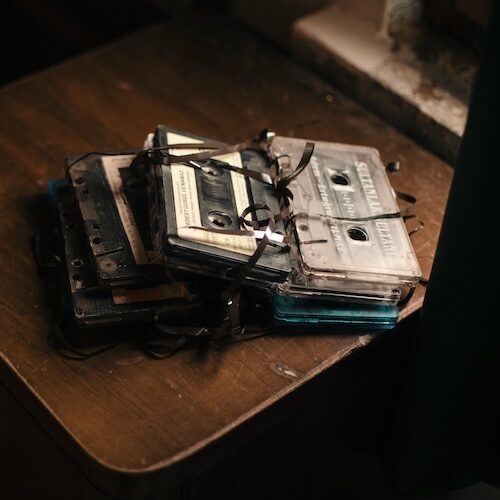
I’m going to end by teaching you one of my most effective tools in delaying gratification in therapy. Depending on your generation, it’s either called “Playing the tape through” or “playing the DVD through”. When you reach a fork in the road moment, and your brain is screaming at you to appease the craving, ask yourself: how is this going to end, like really? I don’t think it’ll play out how the addictive mind says it will. And play it through both ways; if you appease the craving and if you don’t. How am I going to feel in 5 seconds, 5 minutes, 5 hours, 5 days, 5 months, 5 years? You’ll start to see the comfort timeline. Will you experience discomfort for the next few minutes and maybe hours? Yes. But will you wake up tomorrow feeling better and stronger, and maybe even grateful? I think so. In those difficult moments, play the tape through, pick up the phone if you need to and have someone in your support system talk to you for a few minutes while the craving subsides. You’ll be glad you did.